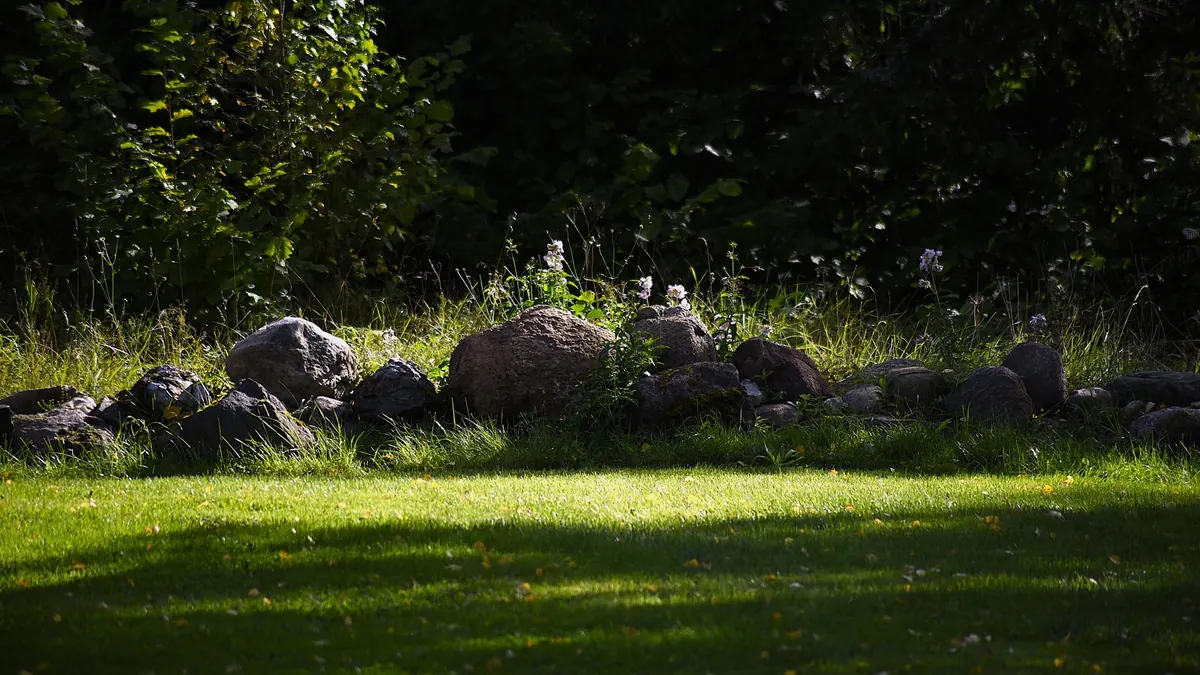
Walk down almost any residential street in Britain and you will see the same thing: a neat strip of mown green in front of every house, edges trimmed, stripes optional. Lawns are so familiar that we rarely stop to question them. Yet more gardeners are letting part of that green go a little wild — a patch of ox-eye daisies and knapweed that hums with bees in June and stands tawny by September. Neither option wins outright. The better choice is the one that fits your soil, your time and the way you actually use the space.
Two very different kinds of green
A traditional lawn is a tight sward of fine-leaved grasses — ryegrass, fescue, bent — kept somewhere between 25mm and 40mm, fed in spring, edged regularly, and treated for moss and weeds if you want it looking sharp. It is a surface first and a habitat second.
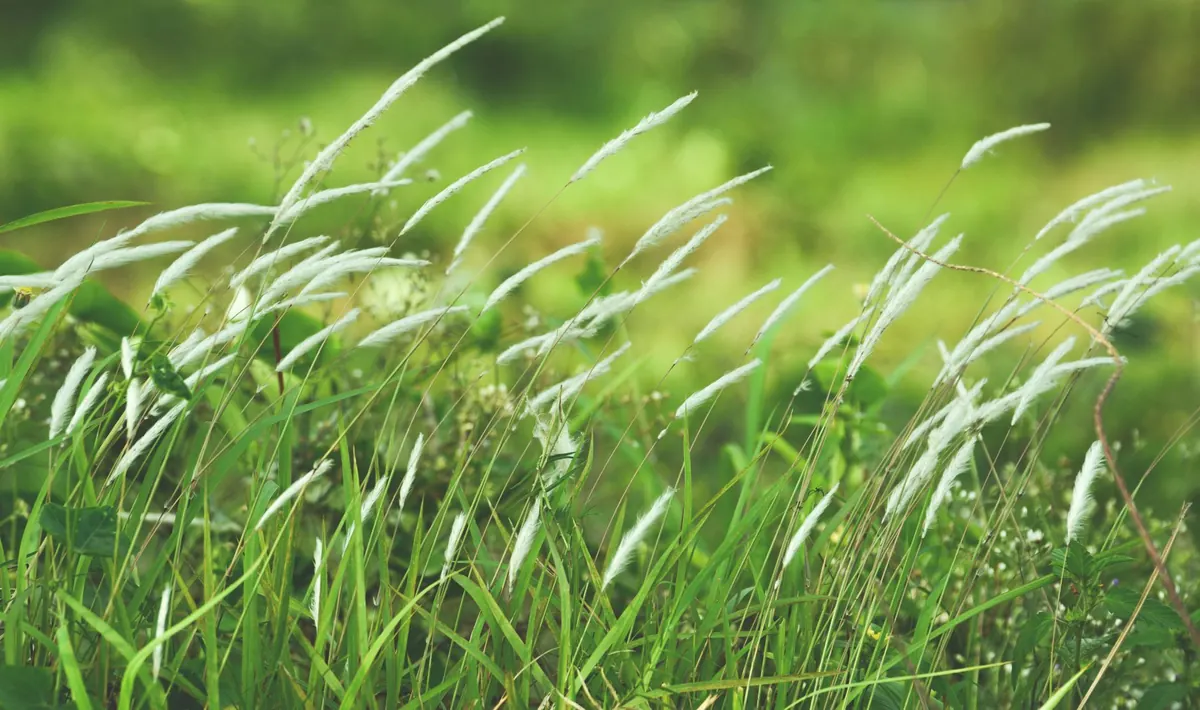
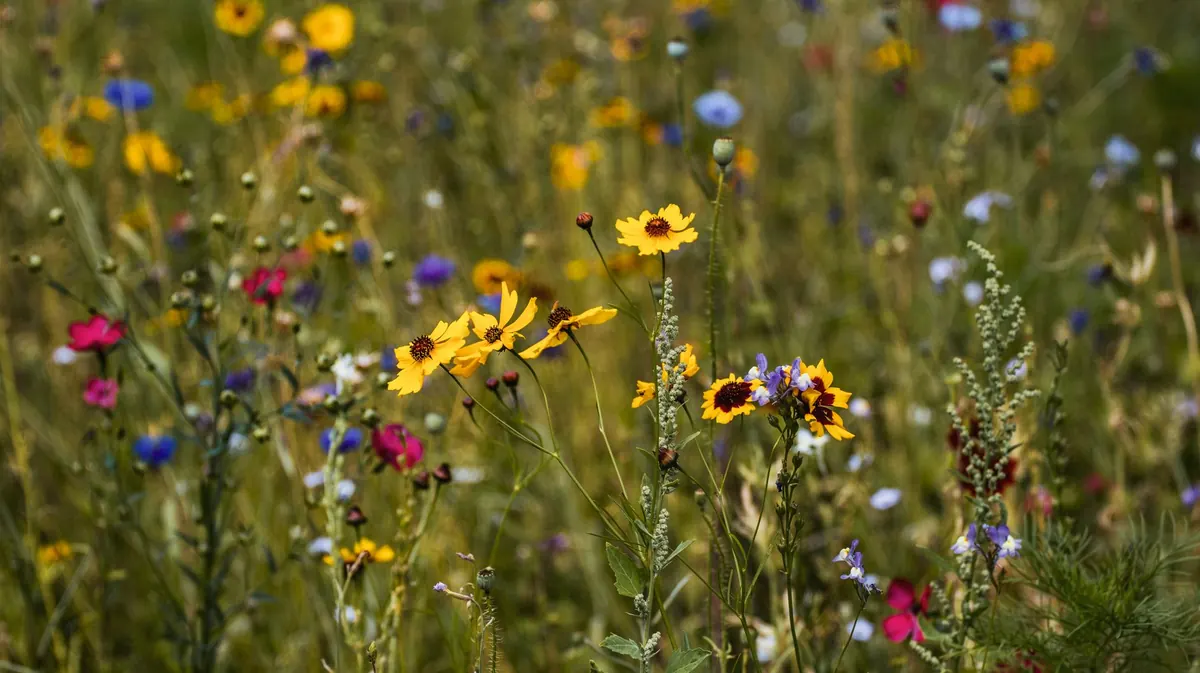
Meadow planting is a mix of native grasses and wildflowers: ox-eye daisy, common knapweed, yarrow, birds-foot trefoil, selfheal and buttercup, growing among grasses such as crested dog's-tail and meadow foxtail. It is cut once or twice a year, with the cuttings removed. It is not the same as simply abandoning the mower.
There is also a middle ground worth knowing about. A mown meadow or tapestry lawn — low-growing clovers, selfheal, yarrow and fine grasses — can be cut every three or four weeks to around 50–60mm. It looks tidier than a full meadow, feeds pollinators and needs far less input than a conventional lawn. For small gardens, this is often the most realistic compromise.
Maintenance: routine versus concentrated
What a lawn asks of you across a year
- Mowing every week or two from March through October, and often into November in mild years
- Trimming edges with a strimmer, then trimming them again as they grow back
- Feeding in spring, and sometimes in autumn, if you want a dense, fine sward
- Scarifying and aerating to deal with thatch and compaction
- Watering in dry spells if you want to avoid the lawn turning brown
- Treating moss and weeds, which often return the following season
What a meadow asks of you
For most of the year, very little. The work is concentrated into two moments. The main cut usually falls in late summer, after the flowers have set seed — late July or August in most of the UK. That means strimming or scything the whole area, then raking off every last bit of cutting. Leaving the arisings to rot enriches the soil and tips the balance towards coarse grass and away from flowers.
Then there is a second cut in autumn, and ideally a spring tidy at around 50–70mm before growth takes off. On a large patch, that main cut is a proper day's work, and you will want a sturdy rake, a tarpaulin and somewhere to compost or dump the material. If that day never materialises, a meadow slides back into rank grass within two or three seasons. That is the honest trade: less routine work, more occasional effort.
Biodiversity: where the real difference lies
An untreated lawn is not wildlife-free. Clover, daisies, dandelions and selfheal appear on their own, worms and leatherjackets live below, and blackbirds hunt across the surface. But a closely mown, fed and weed-treated lawn offers very little in the way of nectar, seed or shelter.
A meadow delivers all three. Flowers feed bees, butterflies and moths through the summer; seed heads stand into winter for goldfinches and other birds; and the tussocky base gives invertebrates somewhere to overwinter. Variety of height matters as much as variety of plants, and so do small bare patches where ground-nesting bees can burrow.
One caution: wildflower seed sown onto rich, previously fed soil often disappoints, because vigorous grasses outcompete the flowers. Options include stripping the topsoil before sowing, or sowing yellow rattle — a native annual that weakens grass roots and opens space for wildflowers. Sowing in autumn gives the best chance. If you want the cheapest route, ask a local wildlife trust about green hay from a nearby reserve; it is far better adapted to local conditions than most bought mixes.
Cost: upfront, ongoing and hidden
Lawn costs are easy to overlook because they arrive in small doses: electricity or petrol, replacement blades, feed, weed treatments, the occasional reseed, and water in a dry summer. Add them up over a decade and it becomes a real figure.
A meadow flips this. Once established, it needs almost no inputs — no feed, no watering, no weedkiller — but the annual cut either costs you time or costs you money if you bring someone in. Upfront, you may pay for seed, plug plants or a contractor to remove topsoil, and getting rid of stripped turf is not free.
Costs vary enormously with area, soil and access, so if you are hiring help, get two or three quotes and agree in writing what happens to the arisings before work starts. It is the job most often underestimated.
Usability: what the space is actually for
This is where lawns usually win, and it is worth being blunt about it. A lawn is a surface you can use. Children can play football on it. You can dry washing on a rotary line without the grass wrapping around the pole. You can drag a table and chairs across it, walk out barefoot, and let a dog tear about without much thought.
Meadow grass is tussocky, holds dew well into the morning, and doesn't take heavy footfall. Grass seeds can work their way into dogs' ears and paws, and ticks are a genuine consideration in long vegetation during warmer months — check pets after walks. On a small plot, a patch of long grass can also read as neglect rather than intent, particularly in the grey months.
The trick is to make the meadow deliberate. Mow a path through it, keep a metre or two of short grass around the patio and along the boundaries, and cut the edges clean. Suddenly it looks designed rather than forgotten, and you can walk into it in ordinary shoes. Change the path each year if you like — that alone keeps the planting interesting.
Deciding for your garden
Most gardens do not need to choose absolutely. A more useful question is where the line should fall.
- Map how you use the grass. Note which areas actually get sat on, played on or walked across, and which you simply mow out of habit.
- Be honest about the summer cut. If a full day of cutting and clearing in August sounds unlikely, start with a small area.
- Run a trial strip. Mark out roughly 2m by 3m, stop mowing it from April, then cut and clear it in late summer. It costs almost nothing and tells you more than any plan.
- Check your soil. Dark, fertile, well-fed ground grows grass rather than flowers, so plan to strip topsoil or sow yellow rattle in autumn.
- Keep the frame mown. Crisp edges and a mown path make a wildflower area look intentional.
- Convert gradually. Take three or four years over it. The garden stays usable, and the change looks considered rather than sudden.
Whichever way you go, the goal is a garden that gives something back: somewhere to sit, something to watch, and less time spent pushing a mower. A lawn and a meadow can do both jobs in the same plot. Decide where the line falls, keep the edges sharp, and cut the meadow once — properly — when the seed has dropped.
Photo: Kristjan H / Pexels